Tree Removal Metairie: Understanding the Difference Between Urgent and Routine Jobs
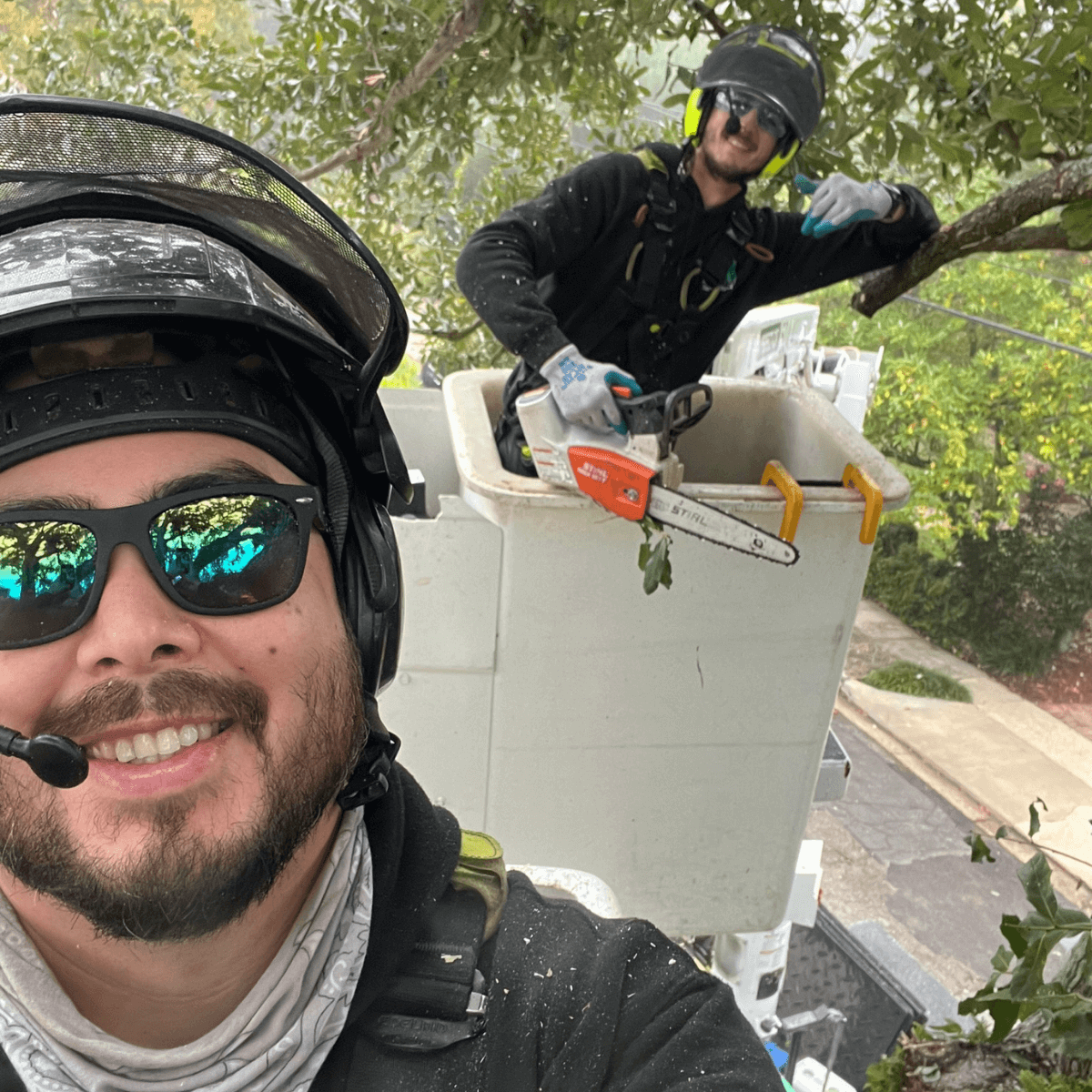

In Metairie, tree work rarely fits into a neat category until someone puts trained eyes on it. A live oak that looks fine from the street may have a split union high in the canopy. A pine that leans after a storm may still be stable enough to remove next week, while a smaller ornamental tree with root failure near a driveway may need attention before the day is over. That difference, urgent versus routine, matters more than most property owners realize.
When people search for tree removal Metairie, they are often reacting to a problem that feels immediate. Sometimes it is immediate. Sometimes it only feels that way because the tree is over a roof, near power service, or dropping limbs at the wrong moment. The challenge is knowing which situations call for rapid response and which ones should be handled as planned maintenance. The answer affects safety, scheduling, cost, and even the type of crew and equipment a job requires.
I have seen homeowners wait too long on trees that gave clear warning signs, and I have also seen people panic over conditions that looked dramatic but were manageable with a careful schedule. Good tree work depends on reading the tree, the site, and the risk, not just reacting to appearance.
Why the distinction matters in Metairie
Metairie has a landscape that makes tree decisions more complicated than they seem. Mature trees add shade, value, and stormwater benefits, but they also grow close to homes, fences, detached garages, driveways, and utility lines. Many lots do not offer easy equipment access. Soil conditions can be inconsistent, drainage can vary, and storms have a way of exposing hidden weaknesses all at once.
An urgent removal usually means there is a current, credible chance of failure that could harm people or damage structures. A routine removal means the tree should come down, but the risk is stable enough that the work can be planned for the right day, right crew, and right price. That distinction influences whether a company mobilizes immediately, whether they bring a crane, whether traffic control is needed, and whether cleanup happens in phases.
There is also a practical side. Emergency work often costs more because it interrupts schedules, requires after-hours labor, or demands extra safety measures. Routine work gives both the property owner and the contractor room to prepare. That usually produces a cleaner, more efficient job.
What makes a tree removal urgent
A true urgent removal is not just a tree that is unhealthy. It is a tree, or a major part of a tree, that poses a high near-term risk. The timing matters. If failure looks likely soon, especially within hours or days, the job moves out of the routine category.
Storm damage is the most obvious example. After strong winds or saturated ground, trees can fail in ways that are not always visible from below. A root plate may lift slightly on one side. A large scaffold limb may crack but remain hung up in the canopy. A codominant stem may split and still look attached until the next gust finishes the job. In each of these cases, waiting can increase danger.
Another urgent situation is when a tree is already on a structure, suspended over a structure, or entangled in service lines. At that point, removal is not simply cutting wood. It becomes a controlled dismantling problem. One wrong cut can shift weight into a roof, pull siding, crack rafters, or worsen electrical hazards. This is where urgency and technical skill meet.
You also see urgent cases with advanced root failure. A tree may have gone through a period of decline, but once the soil heaves, the trunk starts moving at the base, or new cracks appear in the ground, the timeline changes fast. A large tree with compromised anchorage can go from questionable to critical overnight, especially after heavy rain.
What counts as a routine removal
Routine does not mean unimportant. It means the tree can be removed on a planned schedule because the risk is real but not immediate. This includes dead trees that are still structurally intact, trees that are outgrowing a site but not currently failing, and trees with long-term health decline that has not yet produced dangerous defects.
A common routine scenario in Metairie is a tree planted too close to a slab, a fence line, or a home addition years ago. The owner has watched it become more of a liability than an asset. Maybe branches scrape the roof during every windy front. Maybe roots are lifting hardscape. Maybe the species was never a good match for the space. The tree should likely come out, but there is time to schedule it properly.
Routine removal also applies when a tree has suffered gradual decay that can be managed short term. If the canopy is thinning, deadwood is developing, and the trunk shows old wounds or cavities, that tree may need removal in the near future. But if an inspection finds no active cracking, no significant lean progression, and no obvious root instability, the work can often be planned rather than rushed.
The same is true for renovation-driven removals. Homeowners sometimes need a tree removed before adding a pool, replacing a sewer line, rebuilding a driveway, or installing a major landscape project. Those are important jobs, but they are not emergencies unless the tree is already unsafe.
The warning signs that should not be ignored
Property owners do not need to diagnose every structural defect, but they should know the signs that deserve quick professional attention. Several field clues show up repeatedly on urgent jobs:
- fresh cracks in the trunk or major branch unions
- soil lifting, mounding, or separation around the root zone
- a new lean, especially after rain or wind
- large broken limbs hanging in the canopy
- a tree contacting or threatening utility service lines
These signs do not all carry the same level of danger, but none should be brushed off. A fresh crack is very different from an old bark seam. A lean that developed over many years is different from one that appeared after a storm. That is why visual clues are a starting point, not a final answer.
I remember one property where a homeowner called because leaves were browning on one side of a mature tree. On the surface, that sounded like a health issue, not an emergency. But when the crew arrived, the real problem was a root plate that had started to rotate after days of wet weather. The canopy symptom was what caught their eye, but the urgency was in the ground. That kind of disconnect happens often.
How professionals decide: hazard, target, and timing
Tree removal decisions are rarely about the tree alone. Risk comes from the relationship between the defect and what the tree could hit. A declining tree in an open rear corner of a large lot is a different situation than the same tree leaning over a child’s bedroom, a busy sidewalk, or a narrow driveway used every day.
In practice, professionals usually think in three layers. First, what is the defect and how likely is failure soon. Second, what is the target, meaning the thing or person that could be struck. Third, what is the time frame, which helps determine whether the work needs immediate action or scheduled removal.
A hollow trunk is a good example. Many hollow trees stand longer than people expect. The presence of decay alone does not automatically make removal urgent. But if that same tree also has a heavy lateral limb over a roof, active fungal growth near the base, and recent canopy dieback after a storm cycle, the risk picture changes. Urgency comes from the combination of factors.
This is one reason experienced estimators ask a lot of questions. Has the tree changed recently. Did it lean more after the last storm. Are there cracks that were not there before. Did a large branch fail last week. Have roots been cut during construction. These details help separate a manageable maintenance job from a same-day hazard.
Storm season changes the equation
In southeast Louisiana, storm season reshapes tree work schedules. A tree that might have made it safely through a mild month can become a pressing concern when tropical weather enters the forecast. Wind loading, saturated soils, and repeated rain events expose weak points quickly.
Before a named storm, some removals move from routine to urgent because the margin for error disappears. A weakened tree near a home may have stood quietly for months, but if the forecast calls for sustained winds and heavy rain, waiting is no longer the conservative choice. This does not mean every questionable tree must come down before a storm. It means timing matters, and the acceptable level of risk narrows.
After storms, the opposite problem shows up. Every damaged tree looks urgent to the owner standing underneath it. In reality, companies have to triage. Trees blocking roads, crushing occupied structures, or threatening immediate collapse get first priority. Less critical jobs, even if they are inconvenient or visually dramatic, may move into the next wave of response.
That can be frustrating, especially when neighborhoods are dealing with widespread damage. But triage is part of responsible emergency tree work. It keeps crews focused on the most dangerous situations first.
Access, equipment, and why urgent jobs often cost more
Two removals can involve the same species and roughly the same size, yet one costs significantly more because it is urgent. The added expense is not just A Perfect Cut Tree Service tree removal metairie about speed. It usually reflects complexity.
If a tree can be removed routinely, a company can align the job with the right equipment and the most efficient crew route. They may group nearby jobs, reserve a crane, or schedule around weather windows. That efficiency lowers waste and helps pricing.
Urgent jobs often break that pattern. Crews may have to leave another site, work around unstable wood, coordinate with utility providers, or hand-rig sections that would otherwise be handled with easier access. In Metairie, where fences, carports, and tight side yards are common, emergency conditions can eliminate the fastest removal methods.
A routine backyard removal might allow for standard climbing and controlled lowering into a clear drop zone. The urgent version of that same job could involve a split trunk over a sunroom after rain, no machine access, and limited footing around decorative pavers. That is a different operation. The labor is slower, the hazard is higher, and the margin for mistakes is smaller.
Cases that seem urgent but often are not
Not every alarming situation requires immediate removal. A tree covered in Spanish moss is not automatically in decline. Surface roots are not always a sign of instability. Even dead limbs, while worth addressing, do not necessarily mean the whole tree must come down today.
One frequent example is leaf drop after weather stress. Homeowners may assume the tree is failing when it is reacting to flooding, heat, or root disturbance from nearby work. Another is tree removal metairie old storm damage that has callused over. The scar may look ugly, but if the tree has compartmentalized the injury and remains structurally sound, the issue may be pruning or monitoring rather than urgent removal.
There are also trees with a noticeable lean that have grown that way for years. Lean alone does not prove imminent failure. The concern rises when the lean is new, increasing, or tied to root movement and soil disruption.
This is where calm assessment pays off. Removing a mature tree is permanent. If the condition is stable enough for evaluation, it is worth understanding whether pruning, weight reduction, cabling in select cases, or monitoring could manage the risk. The right answer is not always full removal, even when a tree looks rough.
Questions to ask when you call for an assessment
When scheduling an estimate for tree removal Metairie, a few practical questions help clarify whether the job belongs in the urgent or routine category. They also help the contractor prepare for the visit.
- Has the tree changed suddenly, or has the issue been developing over time?
- Is any part of the tree on a structure, vehicle, fence, or utility service line?
- Did the problem appear after recent wind or saturated soil conditions?
- Can people safely stay clear of the area until a crew arrives?
- Is there access for trucks, climbers, or possible crane support?
These questions do not replace an inspection, but they shorten the time between the call and the right response. They also help avoid the vague description problem. Saying "the tree looks bad" is understandable, but "a large limb cracked over the garage after last night’s storm" is far more useful.
How responsible companies handle both types of work
A good company does not label everything an emergency. That is one of the easiest ways to spot the difference between a sales pitch and a real assessment. Professionals should explain what they see, why it matters, and what the likely timeline is. If a job is urgent, they should say so clearly. If it can wait a week or two, they should be just as clear about that.
They also distinguish between emergency stabilization and final removal. Sometimes the safest first step is not full removal that same hour. It may be isolating the area, taking tension off a broken limb, or removing one hazardous section so the remainder can be dismantled safely under better conditions. That staged approach is common on complicated jobs.
Communication matters here. Property owners deserve plain language. Is the tree likely to fail soon. What are the targets. What access constraints affect the plan. Will stump grinding happen later. Does utility involvement need to come first. These are ordinary questions, and experienced crews answer them without drama.
Another sign of professionalism is restraint around utility lines. Tree crews can work near service drops in some situations, but energized conductors change the entire risk profile. If the line type and clearance demand utility coordination, that is not optional. Rushing that step is how preventable accidents happen.
The homeowner’s role before help arrives
If a tree appears dangerous, the best action is often simple: create distance. Keep people, pets, and vehicles out of the area. Do not stand under broken limbs to take photos. Do not try to pull a hung branch down with a rope. Do not cut into a split stem to "relieve pressure." Trees store force in ways that are hard to read without experience, and wood under tension can move violently.
If the issue involves utility service, treat the area as energized until the proper authority says otherwise. Even if the line looks insulated, that does not make it safe to approach. A downed or tensioned line changes what can be done and who can do it.
For routine jobs, the homeowner’s role is different. It helps to clear access, identify irrigation lines or drainage features, and discuss priorities ahead of time. Do you want full removal to grade level, or stump grinding too. Is fence protection a concern. Are nearby plantings important to preserve. Routine scheduling leaves room for those details, which can improve both cost and outcome.
What this means for budgeting and planning
The financial side of tree work often feels opaque until you understand the urgent versus routine divide. Routine removal is where owners have the most control. You can get estimates, compare approaches, and schedule during workable weather. If there is flexibility on timing, the job is usually easier to coordinate and easier on the budget.
Urgent work compresses those options. The need for immediate response reduces scheduling flexibility. If the tree is threatening a house or blocking access, speed becomes part of the service. That does not mean homeowners should accept vague pricing. It does mean they should expect emergency conditions to affect labor, equipment needs, and debris handling.
A practical approach is to treat visible tree defects the way you would treat a roof issue that has not yet leaked into the living room. Addressing it earlier usually costs less than waiting for the failure event. Many emergency removals start as routine jobs that were postponed through one too many storm cycles.
The real difference comes down to risk, not emotion
People often use the word "urgent" to describe stress, inconvenience, or fear. In tree work, urgency has a narrower meaning. It is about credible near-term risk based on structure, site, weather, and targets. That may line up with what a homeowner feels, or it may not.
A dead tree at the rear of a property may be a routine removal even if it looks terrible. A green, full-canopy tree near the driveway may be urgent if the base has failed. Appearance can mislead. Timing should be based on risk.
That is why careful assessment matters so much in tree removal Metairie. The right decision is not always the fastest one, but it should be the one grounded in safety and judgment. When property owners understand the difference between urgent and routine jobs, they make better calls, ask better questions, and avoid turning manageable problems into emergency ones.
A Perfect Cut Tree Service
4725 Shores Dr, Metairie, LA 70006
+1 504-732-0779
FAQ About tree removal metairie
What is the average cost of tree removal in my area?
There is no single price that fits every tree. Size, condition, access, nearby structures, equipment, debris hauling and stump work affect the estimate. Request a written, site-specific quote that identifies what is included.
Who will remove trees for free?
Free removal is not generally available for ordinary private-property tree work. Utilities or public agencies may handle trees within their responsibilities. Confirm eligibility directly and do not assume that an offer or assistance program covers your tree.
Can I just cut down a tree in my yard?
Check ownership, location and local requirements first. Jefferson Parish requires a permit for removal of qualifying vegetation in the public right-of-way, and additional protections may apply in designated areas. Ask the parish about your property and have a qualified tree professional assess the work.
Ends · ROWANYYWS285